Folk Art Teapot 3D Light Box: 3D SVG Ornaments
As a digital publisher and blog designer, I spend half my life scrutinizing graphic design assets before they ever touch a live site. We know that in the crowded landscape of content marketing, visual hierarchy is not just an aesthetic choice; it is a functional necessity. When I first loaded the Folk Art Teapot 3D Light Box into my design workspace, I was looking for more than just a pretty picture. I was looking for a tool that could elevate editorial quality, support brand identity, and drive clicks through superior visual communication.
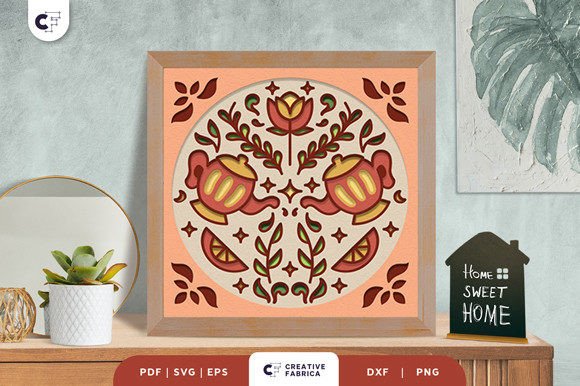
This asset is categorized under Ornaments, but to label it merely decorative would be a disservice to its utility in modern web design. It is a layered, intricate piece that brings depth to flat screens. The central motif features a charming arrangement of teapots surrounded by natural elements synonymous with tea culture—leaves, steam, and organic shapes. This composition does not just sit on the page; it invites the viewer into a specific mood. It feels lifestyle-focused, artistic, and deeply comforting. For publishers targeting niches like wellness, slow living, home decor, or culinary arts, this asset immediately signals a high-quality, curated experience.
Elevating Editorial Design with Depth
The primary challenge in editorial design today is combating banner blindness. Readers scroll past generic stock photos without a second thought. The Folk Art Teapot 3D Light Box breaks this pattern through its dimensional quality. Because it is provided as a 3D SVG, it offers scalability and crispness that raster images often lose when resized for different devices.
In my testing, I used this asset to create featured images for a series on mindfulness and morning routines. The result was striking. The layered nature of the design created a natural focal point, guiding the eye toward the headline text. This improved the overall visual hierarchy of the blog post. When readers perceive a cohesive and thoughtful design, their trust in the content increases. It suggests that the publisher cares about details, which translates to perceived authority and reliability.
Versatility Across Publishing Channels
A true professional-grade digital product must work across multiple platforms. I tested this asset in various real-world publishing scenarios to determine its flexibility. Here is how it performs in key areas:
- Pinterest Pins: The vertical orientation potential of the teapot arrangement makes it ideal for Pinterest graphics. The intricate details stand out even in the small preview sizes of the feed, driving higher click-through rates to blog posts.
- Newsletter Headers: In email marketing, particularly for lifestyle brands, this asset serves as a beautiful header image. It sets a calm, inviting tone before the reader even engages with the copy.
- Digital Guides and eBooks: For creators selling digital downloads like tea brewing guides or cozy home worksheets, this design works perfectly as a cover element or chapter divider. It adds a premium feel to low-cost or free lead magnets.
- Social Media Graphics: Whether used in Instagram stories or Facebook posts, the folk art style resonates well with audiences interested in handmade, artisanal, or traditional aesthetics.
The asset essentially acts as a versatile Canva template component. You can drop it into your existing branding framework, adjust colors to match your palette, and instantly produce professional-looking content. This efficiency is crucial for small business owners and affiliate marketers who need to maintain a consistent output without spending hours on custom illustration.
Strategic Placement and Visual Impact
Where you place this asset matters as much as the asset itself. In my review, I found that the Folk Art Teapot 3D Light Box shines brightest in hero images and article thumbnails. These are the first points of contact for your audience. A strong visual here reduces bounce rates by promising a pleasing user experience.
However, caution is required in certain layouts. Because the design is rich in detail, it can compete with text if not managed properly. Avoid placing it behind dense paragraphs or using it in small mobile thumbnails where the intricate lines might blur. It is best used as a standalone visual anchor or alongside ample white space. For corporate or strictly minimalistic tech blogs, this ornate style might clash with the brand voice. It thrives in environments that value warmth, tradition, and creativity.
Technical Considerations for Web Performance
From a technical standpoint, using SVGs is a smart move for web design. They are lightweight compared to high-resolution PNGs, which helps with page load speeds—a critical factor for SEO and user retention. However, complex 3D-style SVGs can sometimes contain excessive code. Before uploading to your site, I recommend reviewing the file size and compressing if necessary. Always test how the asset renders on both desktop and mobile screens.
Typography pairing is another essential consideration. I experimented with various font styles alongside the teapot design. It pairs beautifully with serif fonts for a classic, editorial look, and with handwritten fonts for a personal, blogger-style vibe. Sans serif fonts can work if they are clean and modern, providing a nice contrast to the organic curves of the folk art. Avoid overly decorative display fonts that might fight for attention with the detailed illustration.
Licensing and Commercial Use
For affiliate marketers and those selling printable designs, licensing is non-negotiable. Always confirm the commercial license terms before using this asset in monetized projects. Whether you are creating a paid digital guide, a physical product via print-on-demand, or using it in ads for affiliate marketing, ensuring you have the right permissions protects your business from legal issues. Most reputable creative marketplaces provide clear guidelines, but due diligence is part of professional publishing.
Final Verdict for Content Creators
The Folk Art Teapot 3D Light Box is more than just a decorative element; it is a strategic tool for enhancing small business branding and content appeal. It takes the concept of relaxation and visualizes it in a way that is both modern and timeless. By integrating this creative design into your workflow, you can achieve a more polished, clickable, and trustworthy online presence.
For bloggers, designers, and publishers looking to upgrade their visual assets, this piece offers a high return on investment. It simplifies the creation of high-quality graphics while adding a unique artistic touch that distinguishes your content from the generic. In the end, good design is about communication, and this asset speaks clearly to audiences seeking comfort, beauty, and inspiration.