Lucky Dragonfly 3D SVG for Shadow Boxes
As a digital product creator who has spent years navigating the fluctuating tides of online marketplaces, I have learned that not every graphic design asset is created equal. Some files are merely decorative, while others are genuine revenue drivers. Recently, I downloaded the Lucky Dragonfly Papercut Light Box to evaluate its potential for my upcoming seasonal collection. My goal was not just to admire the art, but to stress-test it as a commercial foundation for Etsy listings, print-on-demand merchandise, and downloadable craft files.
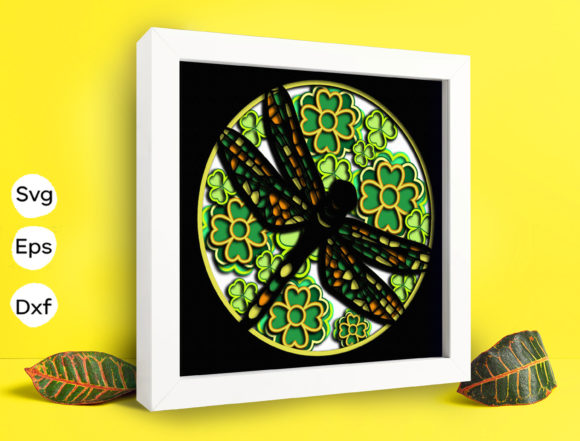
The first impression of this asset is one of delicate intricacy mixed with structural solidity. The dragonfly motif, often associated with transformation and lightness, is rendered here with the heavy, layered aesthetic typical of high-end papercut art. This duality gives the design a unique visual personality. It feels both whimsical and premium, striking a balance that appeals to buyers looking for something more sophisticated than standard clipart. For sellers targeting the home decor niche, particularly those focusing on lighting solutions or wall art, this Shadow Boxes style design offers immediate perceived value. It does not look like a quick template; it looks like a finished piece of engineering.
Evaluating Commercial Viability and Niche Appeal
When assessing a new digital product, I always ask: who is buying this? The Lucky Dragonfly Papercut Light Box sits comfortably at the intersection of several lucrative niches. It appeals to the Cricut and Silhouette community who enjoy complex layering projects, but it also attracts interior design enthusiasts looking for printable wall art or lighting inspiration. The "lucky" aspect of the dragonfly adds a subtle symbolic layer, making it suitable for gift-oriented products such as birthday cards, housewarming prints, or inspirational planner stickers.
In terms of style, the design leans towards elegant and modern handmade aesthetics. It is not rustic, nor is it overly childish. This versatility is crucial for small business branding. If you are building a brand identity around mindfulness, nature, or artisanal crafts, this illustration fits seamlessly. However, it might feel out of place in a bold, industrial, or minimalist tech-focused shop. Understanding this boundary helps prevent wasted marketing spend on the wrong audience.
Practical Applications for Online Sellers
The true test of any design asset is its adaptability. The file package for this dragonfly design is robust, typically including formats compatible with Cricut Design Space, Silhouette Studio, Adobe Illustrator, and Corel Draw. This multi-format support is essential for serving a broad customer base. Here is how I envision deploying this asset across different product lines:
- Physical Craft Kits: The primary use is obviously for creating actual papercut light boxes. Sellers can offer pre-cut kits or digital instructions paired with the SVG files.
- Sublimation Designs: By flattening the layers into a high-resolution PNG, the design works beautifully on mugs, tote bags, and tumbler wraps. The intricate details translate well to fabric and ceramic surfaces.
- Printable Wall Art: Framed prints of the layered design, even without the light box element, serve as striking monochrome or pastel nursery prints.
- Digital Planning: Simplified elements from the dragonfly can be extracted to create sticker designs for digital planners, adding a touch of elegance to productivity tools.
- Social Media Graphics: The silhouette makes for an excellent background element in blog graphics or Instagram posts, providing visual interest without overwhelming text.
For those selling on Creative Fabrica or Etsy, bundling this SVG design with complementary floral or geometric backgrounds can increase the average order value. It transforms a single purchase into a comprehensive design bundle, enhancing the customer experience.
Enhancing Product Presentation and Trust
In the crowded world of creative marketplace listings, your thumbnail is everything. The Lucky Dragonfly Papercut Light Box excels in product presentation. Because the design relies on depth and shadow, it creates natural visual hierarchy in mockups. When placed in a realistic product mockup showing a lit box, the image pops against white backgrounds. This high contrast improves click-through rates significantly.
Moreover, using this asset helps establish brand consistency. If your shop specializes in paper crafts, featuring this level of detailed illustration signals to customers that you understand quality. It builds trust. Buyers are more likely to perceive your other products as high-quality if your flagship items demonstrate technical precision. The clean lines and organized layers of the 3D SVG file suggest professionalism, reducing the fear of buying a messy, unusable digital download.
Strategic Placement and Cautionary Notes
While the asset is versatile, it is not without its limitations. Smart sellers know where to apply caution. The intricate cut lines that make the light box effect possible can be problematic for certain applications. For instance, using the full detailed design on tiny sticker sheets may result in weeding nightmares for Cricut users. In such cases, simplifying the design or offering a "easy-weed" version is a necessary step.
Additionally, be mindful of background contrast. The papercut style relies on shadows to define depth. On dark backgrounds, these shadows may disappear, flattening the image. Always test your PNG exports on both light and dark modes. For t-shirt design applications, consider using a solid backing layer or adjusting the color palette to ensure visibility on black garments.
Another critical area is text integration. Because the dragonfly design is busy, pairing it with text requires careful font selection. A bold display font or a clean sans serif font works best to maintain readability. Avoid ornate script fonts that might compete with the detailed wings of the dragonfly. Visual clutter is the enemy of conversion.
Technical Checklist for Sellers
Before publishing any listing featuring the Lucky Dragonfly Papercut Light Box, I recommend a rigorous quality control process. First, verify the commercial license terms. Ensure you are allowed to sell physical end-products and whether there are restrictions on digital resale. Most reputable creators allow physical sales but prohibit reselling the raw SVG files as standalone items.
Next, inspect the file structure. Open the SVG in your preferred software. Are the layers named logically? Are the cut lines closed properly? A well-organized file saves customer support time later. Test the cut settings on scrap material to determine the ideal pressure and speed for various cardstock weights. Document these settings to include in your product description, adding value for beginner crafters.
Finally, consider your file delivery. Organize your downloads clearly. Include a PDF guide with tips on assembly, recommended glue types, and LED strip suggestions. This extra effort transforms a simple digital download into a comprehensive solution, encouraging positive reviews and repeat business.
In conclusion, the Lucky Dragonfly Papercut Light Box is a strong contender for any digital seller’s portfolio. It offers aesthetic appeal, technical versatility, and strong commercial potential. By understanding its strengths and respecting its limitations, you can leverage this graphic design asset to create a cohesive, profitable, and visually stunning product line. Whether you are a seasoned pro or a new entrepreneur, this design provides a solid foundation for creative growth.